

 Getty
Getty
Dust mites are microscopic creatures that feed off human skin. They’re a major indoor allergen, often triggering asthma, eczema, allergic rhinitis, and other dust mite allergy symptoms, such as sneezing, a runny nose, or itchy eyes. Here’s how to identify them, treat your home, and prevent them from returning.
What are dust mites?
Dust mites (not to be confused with bed bugs) are tiny arachnids commonly found in:
- Bedding and mattresses
- Pillows and carpets
- Upholstered furniture
- Soft toys and clothing
They don’t bite, but their droppings and body fragments can trigger allergic reactions in sensitive individuals. Dust mites thrive in damp conditions and are especially problematic in areas with poor ventilation or high humidity.
House dust mites are tiny, wingless creatures that are difficult to spot without a microscope, as they measure less than half a millimetre long. They have an oval-shaped, pale body with faint stripes. Depending on the environment, they typically live for about two months.
Signs of a dust mite allergy
Not sure if you’re dealing with dust mites? Look out for these symptoms:
- Persistent sneezing, especially in the morning
- Runny or blocked nose
- Wheezing, coughing, or asthma flare-ups
- Itchy or watery eyes
- Eczema or itchy skin, particularly in children
- Sleep disruptions or breathing difficulties at night
Where can dust mites be found?
Anywhere that’s damp and warm, such as bedding, carpets, rugs, upholstered furniture, soft toys and clothing.

How to get rid of dust mites
1. Clean bedding and soft toys regularly
Leaving your sheets unwashed for too long creates the perfect environment for bacteria and dust mites, which thrive on dead skin cells. To keep them at bay, wash your bedding regularly in hot water (at least 55°C) to effectively kill mites. If you prefer cold washes, add a few drops of eucalyptus or tea tree oil, both of which are known for their natural mite-fighting properties.
Drying is just as important: a hot tumble dry for 10 minutes after washing will help eliminate any lingering mites. No dryer? No problem, sunlight and fresh air are also powerful natural disinfectants.
And here’s a final tip: skip making your bed as soon as you get up. Instead, pull back the covers and let your mattress air out with the windows open to reduce moisture and discourage the growth of dust mites.
2. Protect your mattress and pillows
For an extra layer of protection against dust mites, consider adding dust mite-proof protectors to your mattress and pillows. Additionally, vacuum your mattress monthly using the upholstery attachment, and replace old or difficult-to-clean pillows and mattresses as needed.
3. Vacuum with a HEPA Filter
Vacuum carpets, rugs, and soft furnishings weekly using a vacuum with a HEPA filter to trap mite allergens; if you have asthma, it’s best to have someone else do the vacuuming and stay out of the room for at least 20 minutes afterwards. And if you’re highly sensitive, consider avoiding wall-to-wall carpeting in your bedrooms altogether.
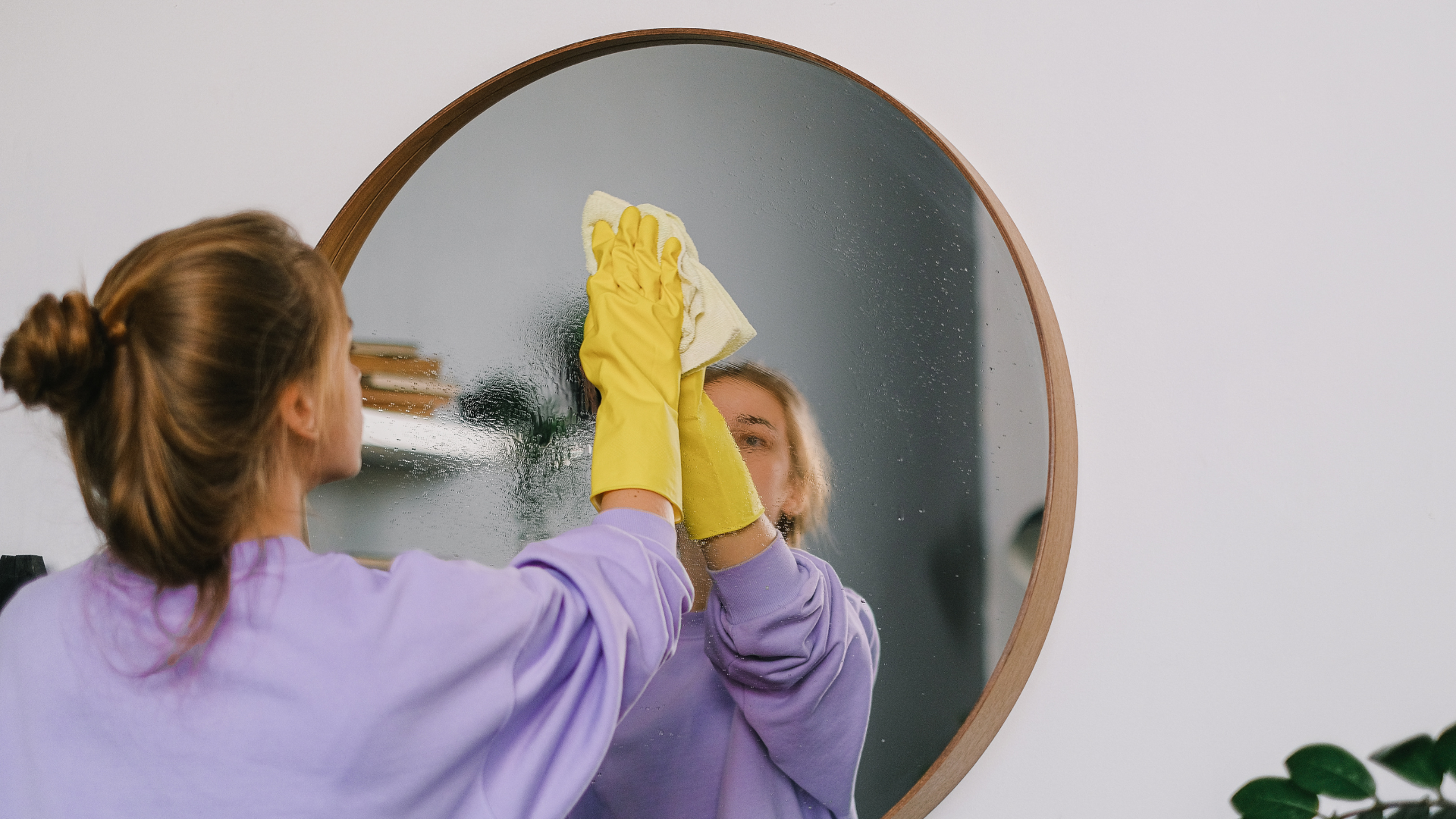
4. Avoid using feather dusters
Feather dusters often do more harm than good by spreading dust and allergens into the air. Instead, use a damp microfibre or electrostatic cloth to trap and remove dust effectively from surfaces, including hard floors.
5. Lower humidity in the home
Dust mites thrive in humidity levels above 50%. Use a dehumidifier to help maintain levels below this threshold, and ensure good ventilation in bathrooms and laundry areas. A hygrometer can help you monitor indoor moisture levels, especially if you suffer from allergies.

6. Try a commercial dust mite spray
Anti-dust mite sprays and steam cleaners can help reduce allergens. Products like Bosisto’s Insect Spray for Dust Mites have received positive feedback for effectiveness, with users noting fresher-smelling carpets and a reduction in asthma symptoms. Read the reviews.
7. Replace heavy curtains with washable blinds
Heavy curtains can trap dust and are often difficult to clean. Opt for roller or Venetian blinds that can be wiped down regularly, or lightweight washable curtains that are easy to wash.
8. Minimise clutter and limit stuffed toys
Cluttered spaces and soft furnishings, such as stuffed toys, collect dust easily. Keep surfaces clear and limit the use of soft toys in bedrooms. Choose a few favourites and wash them weekly in hot water to keep dust mites at bay.
9. Avoid under-bed storage that collects dust
Storage under the bed can trap dust, making it difficult to clean and maintain. If under-bed storage is essential, use sealed plastic containers and vacuum the area regularly to keep it clean.
10. Clean air conditioning filters regularly
Air conditioners can circulate dust and allergens if filters aren’t maintained. Clean or replace filters every 1–2 months, especially during periods of peak usage, to maintain high air quality.
11. Schedule deep cleans every few months
Even with regular cleaning, a deeper clean is necessary every few months. Focus on often-overlooked areas, such as behind furniture, under beds, and along skirting boards. Steam cleaning carpets and upholstery can also help reduce the presence of dust mites.
Natural ways to kill or repel dust mites
- Tea tree and eucalyptus oils are natural miticides. Add a few drops to laundry or dilute in water for safe surface cleaning. A 1997 study published in The Journal of Allergy and Clinical Immunology demonstrated that soaking bedding in a 0.2% to 0.4% eucalyptus oil solution for 30 to 60 minutes resulted in an over 80% reduction in dust mites.
- Freezing soft toys overnight in a sealed bag can kill mites (if washing isn’t an option).
FAQs About Dust Mites
What kills dust mites instantly?
Hot water (above 55°C), direct sunlight, and certain essential oils (like tea tree and eucalyptus) are known to be effective.
Do dust mites go away on their own?
When it comes to managing dust mites, prevention is key. Unfortunately, the little critters won’t go away on their own, especially if they’re living in their ideal environment – dead skin, warmth, and humidity.
Does vacuuming remove dust mites?
Vacuuming with a HEPA filter can reduce dust mite allergens, but doesn’t kill them completely. It helps control their population when done regularly.
Is it OK to sleep with dust mites?
Most people unknowingly do, but for allergy sufferers, this can worsen symptoms and affect sleep quality. If this is you, protective bedding and a regular cleaning routine can help.
Can dust mites live on the body?
No. Dust mites do not live on humans or pets. They feed on dead skin cells but do not infest the body like lice or scabies.


Related stories

Native ad body.

Native ad body.


Native ad body.


